If you are typing new year new diet, skip drastic detoxes and start simple: add vegetables and protein to every meal, swap sugary drinks for water, and change one habit at a time so you can keep going.
Pick an approach that fits your budget, time, and taste, then track just a few daily habits for two weeks to build momentum; that mix of small steps plus a good fit beats any extreme plan.
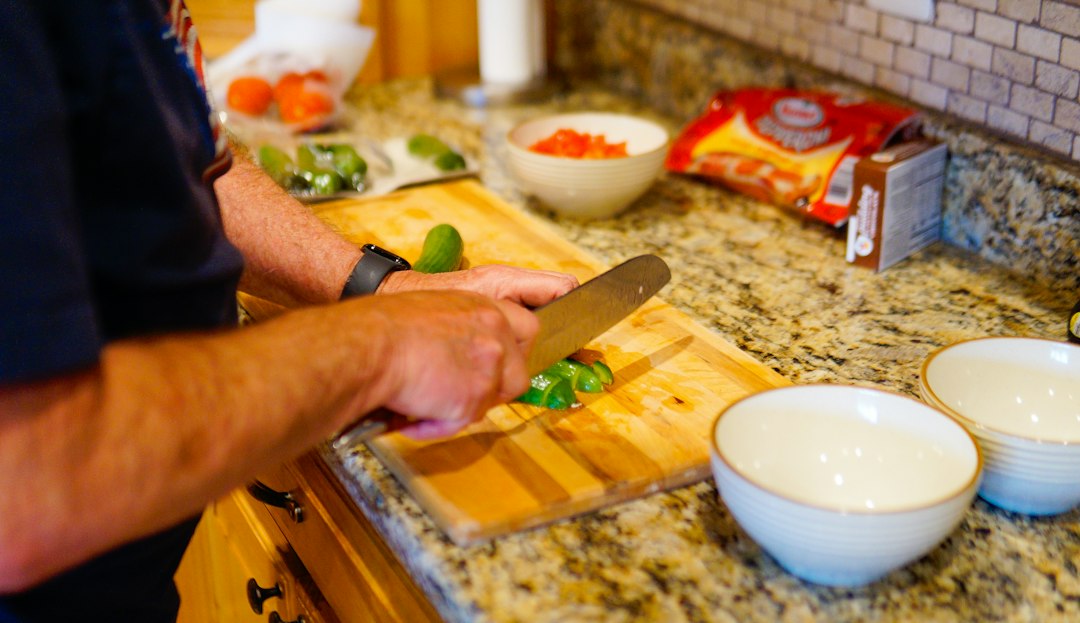
New year, new diet: the 3‑step start that actually works
Here is the short version I give friends when they want a fresh start and don’t want to waste money or willpower.
1) Pick one eating habit, one movement habit, one support habit
Keep changes tiny for week one. Examples: eating habit add a fist‑size helping of vegetables at lunch, movement habit take a 10‑minute walk after your largest meal, support habit set a reminder at 8 p.m. to plan tomorrow’s breakfast and water bottle. These micro‑wins stack without drama.
2) Budget and time fit come first
Many plans fall apart because they assume lots of prep time or pricey ingredients. Decide what you can realistically spend and how much prep time you have on weekdays vs weekends. If you have 15 minutes most nights, choose recipes with five ingredients and shortcuts such as rotisserie chicken, canned beans, pre‑washed greens, microwavable grains, and frozen vegetables. If groceries are tight, focus on low‑cost staples like oats, eggs, frozen mixed vegetables, brown rice, lentils, canned fish, and in‑season produce.
3) Avoid Day‑1 traps
- Detoxes or extreme cleanses: they cut too much, too fast, and rebound eating is common.
- All‑or‑nothing rules: one off‑plan snack does not erase progress; it is a single decision, not a new identity.
- Overbuying supplements and powders: you don’t need a shopping spree to get started; basic groceries do the heavy lifting.
- Complicated macros from day one: use the simple plate formula instead.
Simple plate formula at home or dining out: fill half your plate with vegetables or fruit, one‑quarter with protein (fish, chicken, tofu, beans, eggs), and one‑quarter with a grain or starchy vegetable (rice, quinoa, potatoes, whole‑grain pasta). Add a thumb of healthy fat (olive oil, nuts, avocado) if the meal does not already include it.
Who this isn’t for: if you have a history of disordered eating or you feel anxious when meals are structured, skip restrictive rules and choose a gentle, non‑diet approach that emphasizes regular meals and support from a qualified professional or a trusted care team.
Which new year new diet approach fits you? A plain‑English comparison
Use this quick look to decide which style matches your time, budget, and taste. Costs are broad national estimates for one adult and vary by location and store brand choices.
| Approach | What you’ll eat most | Typical weekly prep time | Estimated grocery cost/week (US$) | Flexibility (1–5) | Dining‑out friendly | Who it may not suit | Notes |
|---|---|---|---|---|---|---|---|
| Mediterranean | Vegetables, beans, whole grains, fruit, olive oil, fish, poultry, yogurt | 60–120 min | 85–130 | 5 | Yes | If you dislike fish/olive‑forward flavors | Balanced and varied, easy to socialize around; see a helpful DASH variant in our DASH guide. |
| Plant‑forward | Vegetables, fruit, beans, lentils, tofu/tempeh, whole grains, nuts/seeds | 60–150 min | 70–110 | 4 | Yes | If you strongly prefer meat‑heavy meals | Can be budget‑friendly with beans and grains; explore plant‑based benefits. |
| Low‑carb / high‑protein | Protein foods, non‑starchy vegetables, some dairy, nuts; fewer grains/sugary foods | 45–120 min | 95–150 | 3 | Sometimes | If you love bread/pasta or dislike high‑protein cooking | Can feel pricier due to meat/seafood; frozen fish and eggs help manage costs. |
| Habit‑based, non‑diet | Any cuisine using the plate formula; focus on daily habits (water, veg, protein, sleep) | 30–90 min | 60–120 | 5 | Yes | If you want strict rules or rapid changes | Great for consistency; pairs well with our 12‑week playbook. |
Not sure where to start? A Mediterranean or plant‑forward style generally fits families and social eating, and it adapts well to different budgets. If you want the most freedom, the habit‑based option lets you eat culturally familiar meals while nudging portions and choices using the plate formula. For a refresher on basics, see our balanced diet plan.
Your 2‑week momentum plan (15 minutes a day)
Fifteen minutes a day is enough to set up tomorrow’s wins. This ladder builds from tiny actions to slightly more planning. Keep a simple paper calendar or app and check boxes for each day.
Week 1: simple adds and one swap
- Day 1: Add a fist‑size serving of vegetables to lunch. Fill a water bottle.
- Day 2: Add palm‑size protein to lunch. Take a 10‑minute walk after lunch.
- Day 3: Swap one sugary drink for water or unsweetened tea. Repeat the walk.
- Day 4: Set “meal defaults” for busy days (for example, frozen vegetables + eggs + microwavable rice).
- Day 5: Eat fruit with breakfast. Lay out a protein option for dinner.
- Day 6: Plan tomorrow’s two meals in 2 minutes (what, when, where). Put it on your calendar.
- Day 7: Review the week. Circle one habit that felt easy. Keep it; drop anything that felt chaotic.
Week 2: one more swap, smart snacks, basic batch‑cook
- Day 8: Make one added‑sugar swap in a snack (yogurt with fruit instead of a pastry).
- Day 9: Choose a smart snack that combines protein and fiber (for example, apple + peanut butter, cottage cheese + berries, roasted chickpeas).
- Day 10: Batch‑cook two items for the week: a protein (chicken thighs, beans, tofu) and a grain (brown rice, quinoa). Total time: 30–45 minutes, passive time mostly.
- Day 11: Pre‑portion one or two backup meals (for example, burrito bowls or mason jar salads).
- Day 12: Plan one “free meal” this week to practice flexibility. Enjoy it, then resume your usual pattern at the next meal. No moral labels.
- Day 13: Try a 20–30 minute movement session you enjoy (walk, ride, strength circuit, dance). Put it on the calendar like a meeting.
- Day 14: Review. Keep any habit that worked 4+ days. Replace anything that failed with an easier version.
Busy‑day backups: keep a list on your phone. Examples: supermarket hot/salad bar with the plate formula, rotisserie chicken + bagged salad + microwavable potatoes, canned chili + frozen vegetables, deli turkey wrap with extra vegetables and fruit, drive‑through grilled chicken salad with a side fruit cup. Course‑correct without starting over: if a day goes off track, switch to your next planned meal; do not try to compensate with extreme rules.
Smart shopping and meal prep on a budget
Here is a sample cart for one adult for a week in the $60–$90 range (prices vary). Use store brands, frozen options, and what is on sale.
- Proteins: eggs (18‑pack), canned tuna or salmon (2–4 cans), chicken thighs or tofu/tempeh, dry or canned beans/lentils.
- Vegetables and fruit: frozen mixed vegetables, frozen spinach, bagged salad or whole romaine, carrots, onions, bananas, apples, in‑season produce.
- Grains and starches: oats, brown rice or microwavable grain pouches, whole‑grain bread or tortillas, potatoes.
- Extras: olive oil, yogurt, peanut butter, salsa, spices.
Swaps if you need to go lower: more beans, eggs, and frozen vegetables; fewer specialty items. Swaps if you have more budget or time: salmon, extra fruit variety, pre‑cut vegetables, ready‑to‑eat grains, or a meal kit for one night to relieve decision fatigue.
15‑minute prep flow for weeknights: preheat the oven or skillet; start the grain (rice pouch or quick‑cook grain); cook a simple protein (sheet‑pan chicken, sautéed tofu, or scrambled eggs); microwave or roast vegetables; assemble with a sauce or olive oil and lemon. You can build three mix‑and‑match dinners from these parts in under 20 minutes.
Portioning made easy: use your hands if you don’t want to count anything. Half plate vegetables or fruit, palm of protein, cupped hand of grains or starchy vegetables, a thumb of fat. When dining out, scan the menu for a vegetable side and a protein, and split fries or dessert if you want both taste and balance.
For more balanced meal ideas, visit our primer on balanced diet basics.
Make it stick: tracking, motivation, and boundaries
Two minutes a day is enough to notice patterns. The goal of tracking is not perfection; it is learning what helps you feel good and what trips you up.
- Daily water target met
- Veggies at 2–3 meals
- Protein at each meal
- Smart snack chosen
- Added‑sugar swap made
- 10–30 minute walk or movement
- 7–9 hours in bed
- Next day’s meal plan set
- Mood/energy noted
Accountability options: pick a buddy and share a daily check‑in photo of your water bottle or lunch; keep a visible calendar and mark green for days you hit two habits; or use an app with gentle reminders. Motivation tends to follow action, not the other way around. Start anyway; feeling proud of a check mark usually shows up after you do the thing.
Boundary scripts for diet and weight talk: if coworkers push snacks you don’t want, try “I’m good, thanks. I’m eating lunch soon.” If someone comments on your plate, “I’m experimenting with what helps my energy.” If relatives debate dieting, “I’m focusing on habits this year, not labels.” Short and calm is enough; you don’t owe explanations.
FAQs about New Year diet changes
What foods should I eat on New Year’s Day?
Make the first meal simple and steady: water or unsweetened tea, fruit or vegetables, and a protein. Examples: veggie omelet with toast, Greek yogurt with berries and oats, stir‑fried vegetables with tofu and rice, or a bean soup with salad. If you enjoy traditional lucky foods, pair them with vegetables and protein using the plate formula.
How to lose 2 stones in 12 weeks?
Rapid goals can strain your energy, budget, and social life. A steadier pace that favors consistent habits is more reasonable for most people. Focus daily on vegetables and protein, limit added sugars and sugary drinks, and move your body most days. If you want more structure, consider a Mediterranean or plant‑forward approach or a modest low‑carb tilt if you like that style. Your progress will vary; discuss personal targets with a qualified professional who can factor in your history, medications, and lifestyle.
What is the one fruit all seniors should eat?
There isn’t one magic fruit. Variety wins. Berries, citrus, apples, pears, and prunes are all popular because they bring fiber and flavor. Choose what you enjoy, what you can chew comfortably, and what fits your budget. Frozen fruit is often just as handy as fresh and reduces waste.
What are some healthy New Year’s resolutions?
- Add vegetables to one more meal each day.
- Swap one sugary drink for water or unsweetened tea.
- Walk 10–20 minutes after the largest meal.
- Set a two‑minute plan each night for tomorrow’s first meal.
- Keep a grocery list of five low‑effort meals you can make in 15 minutes.
How long until a new diet feels easier?
Most people report meals and routines feeling more automatic after 10–14 days of repeating the same few habits. Your taste buds also adjust; foods with a lot of added sugar may feel intensely sweet after a short break, which can make swaps easier to keep.
When to change course (and get help)
Signals your current plan is not working: constant hunger despite eating regularly, low energy or dizziness, dread when thinking about meals, or social isolation because the plan feels too strict. If any of these show up, adjust your targets. Add more food to meals (especially protein and fiber‑rich sides), shift meal timing earlier or spread your intake across the day, or switch to a style that better matches your taste and schedule.
Who may benefit from personalized guidance: anyone with complex medical histories, a history of disordered eating, or frequent swings between restriction and overeating. A registered dietitian or qualified clinician can help tailor an approach that supports your health conditions, culture, and preferences.
Common New Year pitfalls and your reset “exit strategy”
Overhauling everything at once often leads to burnout. So does buying a cart full of specialty items you’ll never use or setting rigid rules that snap at the first schedule shock.
- If you overshoot on a free meal, return to the next planned meal instead of “making up for it.”
- If you skip a workout, take a 10‑minute walk today rather than promising an hour tomorrow.
- If grocery plans fall through, build a plate from what is available: vegetables first, then protein, then starch. Convenience stores often have fruit cups, yogurt, nuts, and jerky that can make a quick meal.
- When motivation dips, review your calendar streaks or message your accountability buddy a photo of your water bottle or a vegetable‑heavy plate.
Want more structure and meal ideas you can actually live with? Browse our sustainable weight management playbook for practical strategies you can stack on the plan above.