Hypertension self-care habits: daily routines for heart health
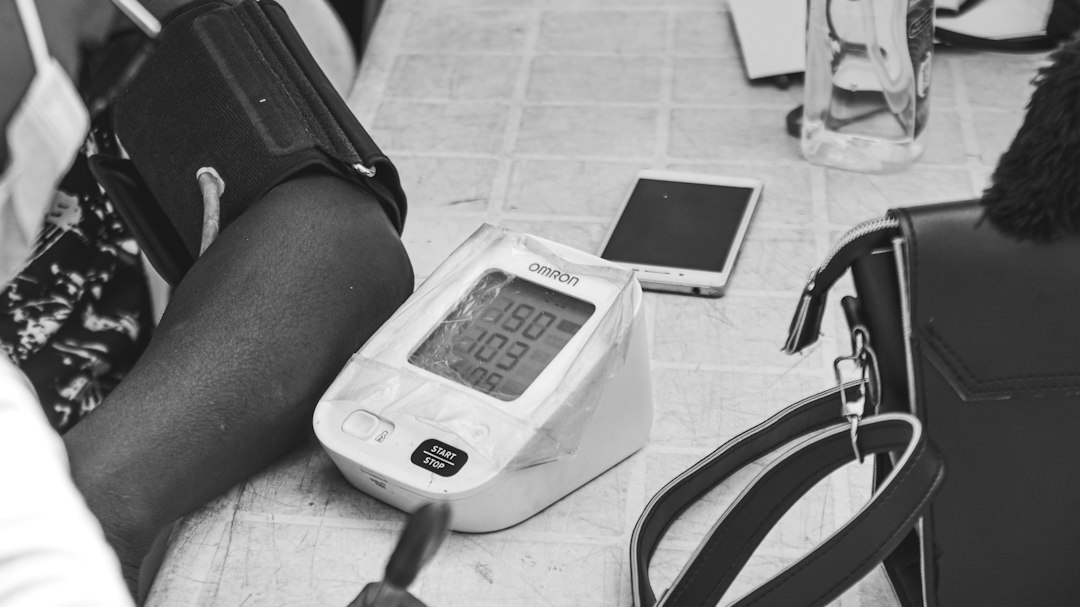
This guide uses hypertension self-care habits as the starting point for the practical advice below. Hypertension self-care habits are not about chasing perfection. They are about small, repeatable choices that support your numbers, your energy, and your peace of mind. This guide focuses on practical routines you can put into daily life without relying on complicated tools or lofty promises. It aims to help you build skills you can keep, so progress feels steady rather than fragile.
hypertension self-care habits: Hypertension self-care habits: what they mean and what they do not promise
Self-care in the context of high blood pressure is a set of behaviors that nudge daily life in a heart-friendly direction. It is not a quick fix, and it does not rely on heroic willpower. If you imagine a dimmer switch rather than an on-off switch, you are already close to the right idea: we dial up behaviors that are associated with favorable readings and dial down habits that usually push in the other direction.
Three principles keep this realistic:
- Consistency beats intensity. A 20-minute walk most days usually beats a single intense workout once a week.
- Systems beat motivation. Reminders, checklists, and friction-reducing setups help when motivation dips.
- Progress beats perfection. Numbers naturally vary. Look for trend lines over weeks, not day-to-day swings.
What self-care does not promise: instant results, a one-size-fits-all path, or certainty. Your situation, your schedule, and how you respond to changes are unique. That is why this guide emphasizes experiments, logs, and feedback loops. You can translate the ideas into versions that fit your day, your tastes, your surroundings, and guidance from your healthcare team.
Build your starting point: numbers, devices, and a simple log
Before adjusting routines, it helps to know your baseline. Understanding how, when, and where your numbers shift gives context to any habit change. You do not need to become a statistician. A simple approach is enough.
Set up your home readings the right way
- Use a validated upper-arm cuff in the right size. If the cuff is too small or too large, readings can drift.
- Sit with back supported, feet on the floor, and arm at heart level. Rest quietly for a few minutes before measuring.
- Avoid caffeine, nicotine, and vigorous activity for at least 30 minutes before a reading.
- Take two readings at one minute apart and note the average. Morning and evening readings on a few days each week offer a sensible pattern for many people.
Log your numbers in a way you will actually use: a phone note, a paper card near the monitor, or a simple spreadsheet. Add brief context when it seems relevant: sleep quality, unusual stress, intense exercise, a salty meal, travel, or a late-night work session. These notes help you see patterns without complicated analysis.
Make your data easier to trust
- Calibrate your device annually or as recommended by the manufacturer.
- Compare a few readings at a clinic visit so you can understand any consistent differences.
- Choose a home routine you can keep. Reliability matters more than frequency.
Think of your log as a map. The map does not tell you what to do by itself, but it keeps you from wandering blindly. It helps you notice whether a new habit seems to correlate with steadier numbers over time.
Daily routines that support awareness without fixation
Hypertension can feel all-consuming if you stare at numbers all day. It helps to build routines that weave into normal life so you do not turn health into a full-time job. Consider the following building blocks and pick the ones that feel like the best fit right now.
- Anchor habits: Tie a small action to a regular event. For example, “after brushing my teeth, I fill my water bottle” or “after lunch, I take a 10-minute walk.”
- Morning reset: Two minutes of quiet breathing before checking messages can lower the day’s tension. Inhale through the nose for four counts, pause briefly, and exhale slowly for six to eight counts. Repeat for 10 breaths.
- Screen boundaries: Set a cutoff time at night for work messages or social news that spike stress. Even 30 minutes of “low-stimulation time” before bed can help.
- Micro-breaks: Every hour, stand, stretch, or stroll for a couple of minutes. If you sit a lot, these breaks can be surprisingly helpful for circulation and mood.
Use checklists where they remove friction. Stick a small checklist on the fridge or save it as your phone’s lock screen. The simpler the list, the more likely it is to help:
- Water with every meal
- One leafy or colorful plant on the plate
- 10 minutes of movement after two long meetings
- Lights dim 30 minutes before sleep
Food patterns that support heart-friendly eating
There is no single perfect menu. Still, certain patterns line up with steadier blood pressure readings for many people, especially when sustained over months rather than days. Aim for food decisions you feel comfortable repeating, not strict rules that collapse under real-world schedules.
Build plates you like and can repeat
- Vegetables and fruits: Include a colorful portion most meals. Frozen options are fine and often cheaper.
- Whole grains and legumes: Oats, brown rice, quinoa, beans, and lentils are budget-friendly and versatile.
- Lean protein: Fish, poultry, tofu, tempeh, and legumes support satiety.
- Healthy fats: Olive oil, nuts, seeds, and avocado bring flavor and staying power.
Use batch prep to make better choices easier: roast a tray of vegetables on Sunday, cook a pot of beans, or pre-portion nuts. Keep grab‑and‑go items ready for days that run long.
Flavor-forward without leaning on salt
- Spices and herbs: Smoked paprika, garlic, cumin, oregano, rosemary, ginger, and citrus zest build depth without relying on salt.
- Acids: Lemon, lime, and vinegar brighten flavors and can reduce the urge to reach for the shaker.
- Umami: Tomato paste, mushrooms, and a splash of low-sodium soy sauce used thoughtfully can add richness.
When eating out, you can request sauces on the side, opt for grilled or steamed options, and balance a salty dish with a side of greens or fruit when convenient. The goal is not to be rigid but to be aware of portions and condiments.
Sodium, labels, and smart swaps you can actually keep
Sodium awareness matters, but it is easy to get lost in numbers and forget the big picture. A realistic approach pairs label literacy with simple swaps you can repeat without much thought.
Label basics in two quick steps
- Scan the serving size first. A “low number” can multiply quickly if the package has small servings.
- Check sodium per serving and per 100 grams if available. This makes comparisons easier across brands.
Repeatable swaps
- Breads and wraps: Compare a few brands and pick the option with lower sodium that you still enjoy.
- Soups and sauces: Look for “reduced sodium” versions and taste-test to find ones you like. Diluting canned soups with extra vegetables can go a long way.
- Proteins: Choose fresh or frozen fish, chicken, beans, or tofu more often than highly processed meats.
- Snacks: Nuts, fruit, unsalted popcorn, or yogurt often beat heavily salted chips or crackers.
It is fine to keep favorite salty foods in your life; think about portion awareness, not elimination. Many people find they enjoy salt more when it is used intentionally on a smaller portion rather than scattered across every bite of the day.
Movement you can maintain: walking, strength, and small bursts
Activity supports circulation, mood, sleep quality, and day-to-day energy. The best plan is the one you will actually follow. You can blend walking, light strength work, and short bursts of movement tied to your schedule.
Walking that fits your day
- Transit walk: Park farther away, exit the bus a stop early, or take a 10–15 minute loop after a meal.
- Task walk: Pair routine calls with a stroll. Choose routes with gentle hills when available.
- Recovery walk: On demanding days, keep it easy. You are practicing consistency, not chasing records.
Strength work without a gym
- Bodyweight basics: Squats to a chair, wall or counter pushups, and glute bridges build resilience.
- Mini-circuits: Two rounds of 8–12 reps for three movements take less than 10 minutes.
- Progression ideas: Add reps slowly, use a backpack as resistance, or upgrade to resistance bands.
Short bursts for busy schedules
- Stair intervals: A few flights at a steady pace. Rest as needed.
- Desk mobility: Neck rolls, shoulder circles, calf raises, and ankle pumps during long meetings.
- Micro-play: 60 seconds of jump rope, marching in place, or dancing to one song between tasks.
Track how you feel after movement: calm, focused, or energized. These feelings are often the best reinforcement for keeping the habit in place.
Stress, breathing, and better sleep hygiene
Stress and sleep often act like a volume knob for daily pressures. When both are loud, everything else feels harder. You do not need perfect calm or perfect sleep to notice benefits. Small nudges add up.
Simple stress buffers
- Breathing practices: Box breathing (inhale 4, hold 4, exhale 4, hold 4) for two to five minutes can be grounding.
- Boundary scripts: A short phrase like “I’ll review this after lunch” protects your focus without conflict.
- Five-minute resets: Step outside, stretch your chest and hip flexors, or splash cool water on your face.
- Noise management: Noise‑canceling headphones or a white noise app during deep work can lower the background buzz.
Sleep: make it easier to fall and stay asleep
- Evening wind‑down: Dim lights, switch to gentler music or a paper book, and put chargers outside the bedroom if possible.
- Routine anchors: Aim for a similar wake time most days. The body appreciates predictable signals.
- Sleep environment: Dark, cool, and quiet works for most. Experiment with a fan, eye mask, or heavier blanket if that helps.
- Caffeine timing: Many people sleep better when the last caffeinated drink is before early afternoon.
You are not trying to create a perfect routine; you are creating a forgiving one. On nights when sleep is short, keep the next day simple and gentle. Then rejoin your rhythm the following night.
Alcohol, nicotine, caffeine: realistic boundaries and alternatives
These substances often interact with stress, social life, and sleep. Setting realistic boundaries helps you maintain steady routines without feeling cut off from your favorite rituals.
- Alcohol: Many people feel more rested when they limit drinks to occasional settings and keep late-night intake modest. If a drink is part of your evening, pair it with food and water, and schedule alcohol-free nights regularly.
- Nicotine: If you use nicotine, talk with your clinician about options and supports. Some people adopt brief movement or gum as “cue replacements” during times they would usually smoke or vape. The goal is to make the next step easier, not to judge the current one.
- Caffeine: Notice your personal cutoff time and adjust gradually. Try half‑caf coffee, black tea, or herbal options in the afternoon. If you enjoy the ritual, keep the mug and swap the contents.
Rituals matter. Replacing a late‑night scroll with a calming playlist, a stretch, or a warm shower can deliver the “signal” your brain expects, without the stimulation that pushes bedtime later.
Medications and follow-ups: organizing your plan with your clinic
If you have a prescribed plan, staying organized can make it far easier to follow. Work with your healthcare team for any changes. Self-care here is about logistics and communication, not self-direction.
- Create a “med station”: a small tray or box where your schedule, pill organizer, cuff, and log live together.
- Use reminders you cannot miss: phone alarms, calendar nudges, or a widely visible checklist.
- Bring your log to appointments: home numbers, sleep notes, and stress patterns help guide conversations.
- Ask clear questions: What patterns should I watch, how often should I check, and what changes in routine might be helpful?
Good communication turns guesswork into a partnership. You offer reliable context; your team offers professional guidance tailored to you.
Travel, social life, and special occasions without losing your rhythm
Life events are not interruptions. They are part of the plan. The goal is to keep your core habits portable so they survive airports, holidays, and long workweeks.
Pack a small health kit
- Travel cuff if you take home readings
- Snacks you trust: nuts, fruit, whole‑grain crackers, or jerky with modest sodium
- Reusable water bottle
- Resistance band for quick hotel‑room movement
Choose “good enough” options on the road
- Airports: Look for salads, yogurt, or simple sandwiches, and ask for packets of dressing on the side.
- Road trips: Pack a cooler with water, cut fruit, and pre‑made wraps. Plan a walking break at scenic or safe rest stops.
- Hotels: Use the stairs for one easy climb in the morning. Add a 10‑minute band routine before showering.
At celebrations, enjoy the foods you love. Balance the plate with colorful sides, savor at a comfortable pace, and hydrate. The next day, step back into your routine without self‑criticism.
Tracking progress: trends, plateaus, and when to ask for guidance
Progress with self-care often looks like a jagged mountain range rather than a gentle slope. That is normal. Weekly averages, paired with context notes, reveal far more than any single reading.
Make your log work for you
- Weekly review: glance at averages, not single numbers.
- Highlight context: circles around days with poor sleep, extra stress, or unusually salty meals.
- Spot patterns: “My evenings are calmer when I walk after dinner” or “I sleep better when I set a screen cutoff.”
Plateaus are common. When progress holds steady for a few weeks, return to the basics: sleep timing, sodium awareness, movement consistency, and breathing practices. Experiment with one new nudge for seven to ten days and see what happens.
For personal medical advice, partner with your healthcare team. If you experience concerning symptoms such as chest discomfort, severe headache, shortness of breath, or confusion, seek urgent care. Self-care is a complement to, not a substitute for, professional guidance.
Social support and behavior change skills
Habits live in an environment. Family routines, workplace culture, and social plans all shape choices. Bringing people along makes life easier and more enjoyable.
- Build a tiny team: a friend for walks, a partner who enjoys new recipes, or a colleague who likes mid‑day stretch breaks.
- Share goals out loud: “I’m practicing a 10‑minute walk most evenings.” People tend to respect clear, specific plans.
- Use public cues: a calendar on the fridge, a family chat reminder, or a sign on a water pitcher.
- Keep streaks visible: a simple check mark on a wall calendar can be more motivating than a complicated app.
When you slip, say “start again” instead of “start over.” That small language shift protects your momentum and makes it easier to re‑engage the very next day.
A 30‑day practice plan to put it all together
This practice plan is not a test. It is a template you can change to your needs. Use it as a gentle structure for the next month and personalize the steps to your schedule and preferences.
Week 1: Baseline and one anchor habit
- Set up your log: choose paper or digital and keep it where you will see it.
- Check readings on three mornings and three evenings this week using a calm setup.
- Choose one anchor habit: a 10‑minute walk after lunch, or two minutes of breathing after waking.
- Pick one food swap: a colorful side at dinner or fruit for an afternoon snack.
Week 2: Movement and sodium awareness
- Add two short strength sessions (less than 10 minutes) using bodyweight or bands.
- Compare labels on two staple foods and pick the lower‑sodium brand you still enjoy.
- Take two readings on two different days, and note sleep quality and stress near each entry.
Week 3: Sleep and stress buffers
- Set a screen boundary 30–60 minutes before bed on at least four nights.
- Practice a breathing drill or short stretch on three afternoons.
- Walk after dinner on two evenings, even for just 10 minutes.
Week 4: Travel or social plan and review
- Prepare a mini “away-from-home” kit for a busy day: water bottle, snack, and a resistance band.
- Choose one social event to practice balance: enjoy the favorites, add a colorful side, and hydrate.
- Review your log: What felt surprisingly easy? What do you want to repeat next month? What needs simplifying?
At the end of 30 days, pick two habits to keep exactly as they are, one to upgrade, and one to replace with a better-fitting idea. That small rotation keeps the plan fresh and realistic.
Checklists and quick references you can screenshot
Morning mini-checklist
- Water
- Two minutes of breathing
- Optional: morning reading if that is part of your plan
- Short walk or gentle mobility while the coffee brews
Grocery mini-checklist
- Colorful produce for the week
- One whole grain or legumes choice
- Lean or plant‑based protein
- Low‑sodium version of a staple you enjoy
Evening mini-checklist
- Lights dim
- Screen boundary set
- Bedroom cool and quiet
- Gratitude line or tomorrow’s top task on a note
Common questions and practical answers
How often should I check at home?
Many people find that morning and evening readings on a few days each week provide a helpful view without adding stress. Work with your healthcare team on the frequency that fits your situation. Reliability and a calm setup matter more than total count.
What if my numbers swing day to day?
Day-to-day variation is common. Focus on weekly averages and context. Look for patterns around sleep, stress, travel, or salty meals. If you see a sustained change and you are unsure what it means for you, bring your log to your next appointment and ask how to interpret the trend.
Do I need special equipment?
A validated upper‑arm cuff, a comfortable chair, and a simple log are enough for most people. Extra gadgets are optional. When in doubt, choose tools that lower friction and help you be consistent.
How do I stay motivated when progress is slow?
Connect the habit to a value that matters to you: playing with grandkids, hiking with friends, or feeling steady at work. Keep streaks visible. Recruit a buddy. Most importantly, make the action small enough that you can do it on your worst day, not only on your best day.
Where to learn more and keep going
For more articles on blood pressure skills, work-life routines, and practical health careers guidance, explore resources at eHealthCareer. Keep experimenting, keep notes, and keep the plan forgiving. The combination of small steps and patient review is a powerful way to care for your heart and your life.
