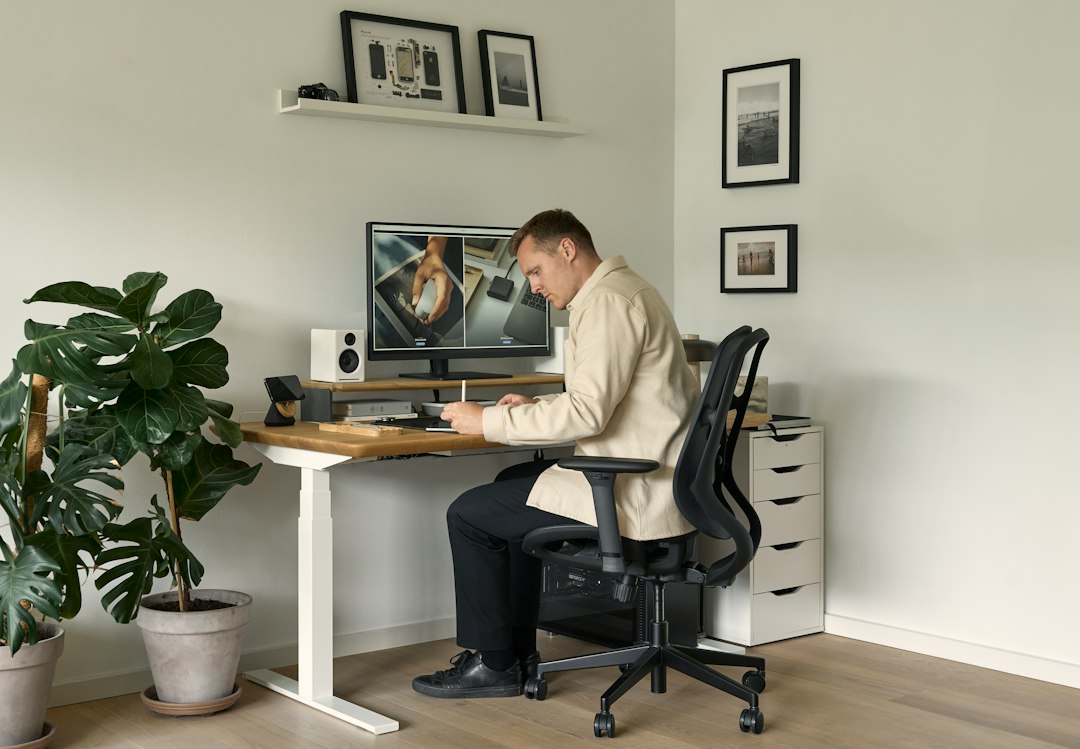
Many people look for clear, non-technical guidance on joint pain management, especially when daily tasks start to feel harder than they used to. This guide collects practical strategies for home, work, movement, comfort tools, and mindset so you can build a steady routine that fits your life. It does not replace professional advice, but it will help you organize your day, care for your joints, and make thoughtful adjustments that can add up over time.
What joint pain means in daily life
Joint discomfort often announces itself in ordinary moments. You reach for a heavy pan, stand up after a long meeting, kneel to tie a child’s shoe, or climb a few flights of stairs, and a familiar stiffness or ache appears. While the biological details vary from person to person and from joint to joint, your experience of it is shaped by the choices you make each day: how you sit, how you move, how you rest, how you plan your tasks, and how you set up your environment. In that sense, daily life is not just the background of joint discomfort; it is also the place where you can influence how you feel.
Thinking about joints through a daily-life lens offers several benefits. First, it helps you notice patterns without getting lost in theory. When does discomfort usually show up? What were you doing for the hour before it appeared? Second, it keeps you focused on actions you can take today. Small changes may not feel impressive at first, but consistency can reduce strain and help you feel more capable. Third, it turns your attention to systems. Instead of hoping one fix will make everything easy, you build a toolkit—a set of simple habits that work together: posture cues, pacing, micro-movements, supportive tools, and gentle activity. Over time, a well-chosen system can lighten the load on sensitive joints and help you participate in the parts of life that matter most to you.
To make this concrete, imagine three everyday scenes. In the kitchen, you place the heaviest pan at waist height instead of on a low shelf, and you use a silicone handle cover and two hands instead of one. At your desk, you raise the monitor so you look slightly down rather than craning your neck, and you keep a small footrest under your feet to take pressure off your lower back and knees. In the evening, you pick a short walk followed by a warm shower, rather than collapsing on the couch for hours. None of these actions are complicated. Together, they can make a real difference in how your joints feel.
Core principles of joint pain management
Before we dig into details, it helps to name a few principles you can return to whenever choices get confusing. These principles keep your plan steady even when your day is not.
- Motion is nourishment. Joints like gentle, frequent movement. Long stretches of stillness often increase stiffness. Short, regular bouts of movement—standing up every 30–45 minutes, easy range-of-motion circles, or a five-minute stroll—can help keep joints comfortable.
- Load wisely. Most joints tolerate load better when it is introduced gradually and distributed well. That means splitting heavy tasks into smaller chunks, sharing load across both sides of the body, and using tools (like a hand truck or backpack with waist strap) that shift weight to stronger areas.
- Comfort tools are signals, not solutions. Heat, cold, sleeves, braces, and topical products can provide comfort signals that help you move more easily. Use them in service of the day’s plan: to make it easier to take a walk, to complete a chore with less strain, or to unwind before bed.
- Plan the day like a battery. Energy, attention, and joint tolerance are resources. Use them thoughtfully in the hours when you usually feel best. Leave buffer space so you can make adjustments without stress.
- Progress beats perfection. It is better to build a routine you can follow most days than to chase an ideal routine that collapses under real life. Look for small wins you can repeat.
These principles are simple, but they are not simplistic. They work together, and you will see them echoed throughout this guide—in your workstation setup, daily movement menu, pacing plan, and comfort strategies.
Setting up your space: ergonomic adjustments that reduce strain
Ergonomics sounds fancy, yet the goal is straightforward: help your body do work with less unnecessary stress. A well-arranged room or desk reduces awkward angles, heavy reaches, and repetitive positions that can amplify discomfort. Try the following step-by-step walk-through for common spaces.
Desk and computer
- Chair height and depth: Set your seat so your hips and knees are roughly level and your feet rest on the floor or a small footrest. If the seat pan cuts into the back of your knees, add a cushion or pick a chair with a shorter depth.
- Back support: A small lumbar cushion or a rolled towel encourages a gentle curve in your lower back, which can reduce strain up the chain.
- Monitor position: Place the top of the screen slightly below eye level and about an arm’s length away. If you use a laptop, consider a stand and an external keyboard so your neck does less work.
- Keyboard and mouse: Keep them close, with elbows bent roughly 90 degrees and shoulders relaxed. If you notice wrist discomfort, try a slight negative tilt for the keyboard (front edge higher than back) and keep wrists in a neutral line. Consider an ergonomic mouse shape that fits your hand.
Kitchen and household
- Storage height: Heaviest items (Dutch ovens, mixers, big stacks of plates) go between mid-thigh and chest height. This range minimizes deep bending and overhead reaching.
- Two-hand carries and sliding: Carry with two hands or slide items along the counter instead of lifting. Use baking sheets or trays to move multiple items so you handle the weight once, not several times.
- Task stationing: Group tools and ingredients to cut walking or repeated reaching. A cutting board near the sink, knives in a wall-mounted block at elbow height, spices at shoulder height—all small tweaks that save your joints.
Entryways, closets, and bathrooms
- Footwear station: A raised bench or sturdy chair for putting on shoes helps avoid deep knee or hip flexion first thing in the morning.
- Shower setup: Non-slip mats, a grab bar, and toiletries on a mid-height shelf reduce unsteady reaches. A shower stool can add stability for a calm, comfortable experience.
- Closet heights: Keep daily-use items at mid-height. Reserve low bins or high shelves for light, infrequently used items only.
As you make changes, notice how each one feels over a week, not just a day. The goal is to create spaces that make the best choice the easy choice, so you keep moving with less strain.
Activity pacing and energy budgeting
Pacing is the art of doing the right amount today so you can still do what matters tomorrow. It is not about doing less; it is about distributing your effort in a way that respects how your body feels right now. A good pacing plan protects your high-value activities, builds in micro-breaks, and leaves a small reserve so surprises do not unravel your day.
Start with a simple template. Draw a quick timeline of the day and mark your typical energy curve—when you usually feel most capable and when you tend to dip. Put your most important task in your best window. Then add small movement snacks and recovery breaks. Movement snack ideas: stand and stretch between calls, walk five minutes before lunch, do two minutes of ankle or shoulder circles every hour. Recovery ideas: a few diaphragmatic breaths, a cup of tea away from the screen, or a minute at the window to relax your eyes and mind.
Next, define comfort boundaries for common activities so you can stop before a spike in discomfort. For example, “I’ll walk for 10 minutes, check in with how I feel, and extend by 2 minutes if my form still feels good.” Or, “I’ll chop vegetables in two rounds, five minutes each, with a short pause for a sip of water between rounds.” Boundaries let you accumulate productive time without overdoing it in one stretch.
Finally, keep an “I did list.” At the end of the day, write down what you accomplished, not just what remains. Seeing progress helps you set realistic goals and reduces the pressure to push through in ways that leave you wiped out.
Movement menu: mobility, strength, and flexibility routines
A movement menu gives you options, so you can pick what fits your energy and schedule today. The aim is not to chase perfect form or intensity. The aim is to coax comfortable movement, support the muscles that share load with your joints, and build confidence. Think of three categories—mobility, strength, and flexibility—and choose one or two items from each on most days.
Mobility ideas (gentle and frequent)
- Joint circles: Slow, controlled circles for ankles, hips, shoulders, and wrists. Five to eight circles each direction, two or three times daily.
- Segmented spine rolls: From standing, tuck your chin and roll down one vertebra at a time, then roll back up. Move within a comfortable range and breathe evenly.
- Cat-cow at the desk: Seated or standing, alternate gentle rounding and arching of the spine to encourage fluid motion.
Strength ideas (supportive, steady)
- Sit-to-stand: From a stable chair, stand up and sit down with control. Keep knees tracking over toes and weight evenly distributed. Start with 2–3 sets of 5–8 reps.
- Wall push-ups: Hands on the wall at chest height, step your feet back slightly, and lower with a straight line from head to heels. 2–3 sets of 6–10 reps.
- Step-ups: A low step or sturdy platform. Step up with control, then step down. Alternate legs. Keep range comfortable and posture upright.
Flexibility ideas (relaxed and mindful)
- Calf and hamstring stretches: Hold a gentle stretch for 20–30 seconds, breathe, and repeat 2–3 times.
- Front-of-hip opener: In a split stance, gently shift weight forward until you feel an easy stretch in the front of the hip. Keep torso tall.
- Chest and shoulder doorway stretch: Forearm on the doorframe, elbow at 90 degrees, rotate your body gently until you feel a front-of-shoulder stretch.
Choose lower-impact activities like walking, cycling on a comfortable stationary bike, or water exercise for cardio. Keep sessions short at first, and build duration week by week. The goal is steady, repeatable movement that helps you participate more fully in life.
Heat, cold, and topical options: when each may help you move
Simple comfort tools can make it easier to move, which is often the most useful outcome. Heat tends to feel soothing before movement or in the evening. Cold often feels helpful after a busy session or when an area feels puffy. Topical products may provide a pleasant, distracting sensation that helps you get through a task or unwind at night. Think of these as helpers that support your plan, not as stand-alone fixes.
- Heat ideas: Warm shower, heating pad on a low setting, or a microwavable pack wrapped in a thin towel. Use for 10–15 minutes, then test a gentle movement you plan to do.
- Cold ideas: Gel pack wrapped in a thin cloth, or a bag of frozen peas for 5–10 minutes after a higher-demand activity. Follow with easy range-of-motion work.
- Topical options: Creams or patches with warming or cooling sensations can be part of an evening wind-down routine. Pair with a short walk, then relaxed breathing before bed.
Watch your skin, set a timer, and keep the temperature comfortable. The purpose is to encourage movement and comfort—not to push through tasks that your body is asking you to space out differently.
Nutrition, hydration, and sleep habits that can support joints
There is no single food or supplement that turns a tough day into an easy one, yet your daily habits around eating, hydration, and sleep can influence how ready you feel for movement and tasks. Focus on simple, steady practices that fit your preferences and culture.
- Balanced plates: Aim for a mix of colorful produce, protein you enjoy, and fiber-rich carbohydrates. This supports steady energy for activity without long slumps.
- Hydration routine: Keep water visible. Start the day with a glass, and have a refillable bottle at your desk. Mild dehydration can make you feel sluggish; a small, steady habit helps.
- Meal timing: If mornings are your best movement window, try a light snack first—yogurt, fruit, or a small piece of toast with nut butter—then a more substantial meal afterward.
- Sleep cues: Dim the lights in the evening, reduce late caffeine, and keep a consistent bedtime. A calm pre-sleep routine can make it easier to wake with energy for your plan.
Consider talking with a qualified professional if you are thinking about significant diet changes. Your goal is sustainable habits that work with your life and support the day-to-day plan you are building.
Workday strategies: commuting, desk time, and meetings
Workdays test your routine because you are juggling time pressure and responsibilities. Small structural changes can reduce strain and help you stay engaged.
- Commute options: Adjust seat position so hips and knees feel level and supported. For public transit, consider starting a stop earlier to get a short walk and a better seat choice.
- Meeting rhythm: Ask for standing breaks in longer sessions. Offer to facilitate a short stretch or breathing minute for the group. Many colleagues welcome the pause.
- Keyboard shortcuts and dictation: Reducing repeated mouse clicks or long typing sessions can lower hand and wrist stress. Try voice dictation for longer notes.
- Task batching: Group tasks that use similar positions. For example, do phone calls in one block while standing with your laptop on a higher surface, then switch to seated work for focused writing.
- Micro-movements: Keep a mobility reminder at your desk—a sticky note that says “move gently,” a timer, or a simple app—to prompt a quick stretch every 30–45 minutes.
Culture matters, too. Normalize healthy work rhythms by modeling them. When you take a short movement break, you give permission to others. Over time, teams often become more supportive of sustainable habits.
Flare-up plan: how to respond on tougher days
Even with a solid routine, you will have days when joints feel more sensitive. A plan for those days helps you stay calm and purposeful. Think in terms of dials you can turn down or up, not switches that flip on or off.
- Dial down intensity: Shorten walk duration, choose a flatter route, or swap to gentle mobility only. Keep movement, but make it kinder.
- Dial up comfort: Use heat before movement or cold after higher-demand tasks. Add a supportive sleeve for a task that needs extra stability. Pair with relaxed breathing to unwind tension.
- Dial in pacing: Split tasks into smaller steps with short pauses—fold half the laundry now and half after lunch. Use timers to remind you to check in with how you feel.
- Dial into priorities: Identify the one or two tasks that matter most today. Do those, then evaluate what can slide to tomorrow without major consequences.
Write your flare-up plan on a small card and keep it in your wallet or notes app. In the moment, it is easy to forget what helps. The card turns good intentions into action.
Tracking progress: simple logs and meaningful metrics
What gets tracked tends to improve—especially when the metrics are simple and meaningful. You do not need a complicated spreadsheet. A notepad or a basic app can show patterns in just a week or two.
- Daily checkboxes: Mobility snack, short walk, recovery break, ergonomic check, hydration goal. Five boxes, quick to mark.
- Effort scale: Rate key tasks on a 0–10 effort scale. If a task feels like a 3–4 most days, your pacing is working. If it often jumps to 7–8, adjust the dose or order of activities.
- Notes field: Jot one line about what helped. “Heat before walk felt great.” “Raised screen two inches—neck happier.”
Review once a week. Keep what works, drop what does not, and experiment with one new idea at a time. Progress is rarely linear. The aim is more good days, fewer hard swings, and a sense that your plan fits your life better each month.
Myths and mistakes to avoid
Certain ideas persist because they sound tidy, not because they work well in real life. Clearing them up can save you time and frustration.
- Myth: “No pain, no gain.” Discomfort is a signal, not a scoreboard. Gentle, repeatable movement is often more helpful for daily life than heroic, single-shot efforts that leave you depleted.
- Mistake: Doing everything at once. When you add heat, change your chair, start walking, and switch to a new keyboard on the same day, it is hard to tell what helped. Make one change, give it a week, then reassess.
- Myth: One perfect exercise fixes everything. Joints work in teams with muscles, tendons, and habits. A system of small supports beats a single star player.
- Mistake: Skipping movement on busy days. Short bouts count. Two sets of chair stands and a five-minute stroll still move the needle.
- Myth: Long rest is the safest plan. Extended stillness can increase stiffness. A little movement, often, is a friend to most joints.
Building your personal checklist
Turn the ideas in this guide into a one-page checklist you can post on your fridge or keep on your phone. When life gets busy, a checklist keeps your routine clear and simple.
- Morning: One glass of water, five minutes of mobility, choose the day’s priority task, and a short walk or warm shower before a bigger activity.
- Midday: Stand and stretch between meetings, check posture and screen height, and take a movement snack before lunch.
- Afternoon: Batch tasks to avoid repeated reaching or bending, use two-hand carries, and schedule a brief recovery break.
- Evening: Comfort tool of choice (heat or cold), a gentle walk, then a calm pre-sleep routine with low lights and quiet time.
Customize the list so it matches your space, your schedule, and the joints that usually ask for the most attention. The easier it is to follow, the more likely you will keep it going.
Getting help from professionals
This article focuses on daily-life strategies you can control. If you have new, worsening, or unexplained symptoms, seek guidance from a qualified professional who can look at your specific situation. Bring your logs, describe what helps and what does not, and ask for education on movements, positions, and loads that fit your needs. Think of the professional as a coach who can fine-tune your plan so you can keep doing the things that matter to you.
For further reading on habits, work setups, and everyday routines relevant to this topic, visit our joint pain hub at ehealthcareer.com/category/joint-pain. You will find more plain‑English guides you can use to refine your plan.
Putting it all together
Joint comfort is a system problem, and systems respond well to steady, thoughtful inputs. You now have a blueprint: organize your spaces to reduce strain, pace your day like a battery, keep a movement menu that fits your energy, use comfort tools in service of movement, and track what helps. None of this depends on perfect motivation. It depends on structure—on designing a day that encourages the next small, helpful choice.
Pick one idea from this guide and apply it for the next seven days. Maybe you raise your screen and add two daily movement snacks. Perhaps you create a 10‑minute walk anchor before dinner. At the end of the week, review your notes and add one more small change. Over a month, these choices can add up to more comfortable movement, more participation in what you love, and a calmer relationship with your joints.